Why You'll Love It
- - Effortless mixing, no fancy equipment needed
- - Soft crumb that stays moist for days
- - Versatile base for fruits, creams, or simple dusting of sugar
- - Gentle flavor lets toppings shine
*"The cake turned out so fluffy, my family thought it was a cloud!"*
Essential Ingredient Guide
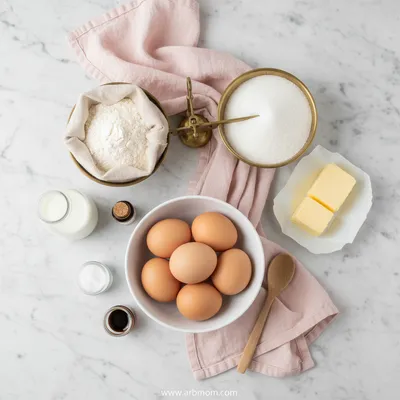
- All‑purpose flour: Sift twice; it creates a finer texture and prevents lumps.
- Granulated sugar: Helps trap air when creamed with butter, giving rise to lift.
- Large eggs: Room‑temperature eggs whip up more easily, forming a stable foam.
- Unsalted butter: Melted and cooled slightly; it adds richness without weighing the cake down.
- Milk: A splash of warm milk softens the batter and keeps the crumb tender.
- Pure vanilla extract: A few drops brighten the flavor without overpowering the lightness.
Complete Cooking Process
-
Ingredient Readiness:
Sift flour, measure sugar, and bring eggs and milk to room temperature before you start.
-
Flavor Development:
Cream butter and sugar until pale, then gently fold in the egg foam to preserve air.
-
Texture Control:
Fold the flour mixture in batches, careful not to deflate the batter.
-
Finishing Touches:
Bake until a toothpick slides out clean, then cool upside‑down on a rack.
-
Serving Timing:
Serve the cake slightly warm or at room temperature, perhaps with a dusting of powdered sugar.
- Use a rubber spatula to fold gently; a sudden stir can collapse the foam.
- Preheat the oven fully; it creates a quick rise.
- Rotate the pan halfway through baking for even color.
- Cool the cake upside‑down on a wire rack to prevent soggy bottoms.
Pro Tips
When the cake is cooling, take a moment to inhale the faint vanilla aroma—it's a reminder that simple steps can create something comforting. I often find myself humming an old lullaby while the cake rests, letting the kitchen settle into a quiet hush.
The essence of the dish:
A fun fact or historical angle:
Flavor or sensory focus:
You Must Know
- Do not overmix once flour is added
- Use fresh baking powder for best rise
- Cool the cake upside‑down to keep it moist
Frequently Asked Questions
→ Can I use cake flour instead of all‑purpose?
Yes, cake flour will make the crumb even softer, but you may need to reduce the amount slightly to keep the structure.
→ How do I store leftover cake?
Wrap the cake tightly in plastic wrap and keep at room temperature for up to three days, or freeze for longer storage.
→ Can I add fruit to the batter?
Gently fold in small berries after the flour is incorporated; they add a fresh burst without weighing the cake down.
→ What’s the best frosting for this cake?
A light whipped cream or a simple glaze of powdered sugar and lemon juice complements the airy texture beautifully.
→ Do I need to grease the pan?
A light coating of butter and a dusting of flour prevents sticking and adds a subtle crust.
→ Why does my cake collapse after cooling?
Opening the oven too early or over‑mixing the batter can cause the structure to weaken; let the cake set fully before removing it.
Chef's Tips
Make sure eggs are at room temperature for the best volume.,Do not overmix once flour is added; it can toughen the cake.,A light proof of the batter before baking can add extra lift.
Nutrition Facts
per serving
210
Calories
5g
Protein
30g
Carbs
8g
Fat
Taste Profile
Delicately sweet with a tender crumb
Ingredient Substitutions
Don't have an ingredient? Try these alternatives
Will yield an even softer crumb; reduce by 2 tbsp.
Adds a subtle caramel flavor; use the same amount.
Recipe Variations
Try these delicious twists on the original
Spicy Version
Add a pinch of cinnamon and a dash of ground ginger for warm spice notes.
Mediterranean Style
Fold in orange zest and a sprinkle of toasted almond slivers before baking.
Common Mistakes to Avoid
Learn from others' mistakes for perfect results
- Overmixing after flour addition, which makes the cake dense.
- Opening the oven door too early, causing the cake to collapse.
- Using cold eggs; they won’t whip up enough volume.
Meal Prep & Storage
Make Ahead Tips
You can prepare the batter a few hours ahead and keep it refrigerated; bake when ready for the freshest texture.
Leftover Ideas
Reheat gently in a low oven (300°F) for a few minutes, or enjoy at room temperature with a fresh topping.
Perfect Pairings
Serve this with...
Cooking Timeline
Gather and measure all ingredients; preheat oven.
Separate eggs, beat whites, and whisk yolks with sugar.
Combine wet and dry ingredients, fold in egg whites.
Bake the cake until golden and a tester emerges clean.
Cool the cake upside‑down on a rack; slice and serve.
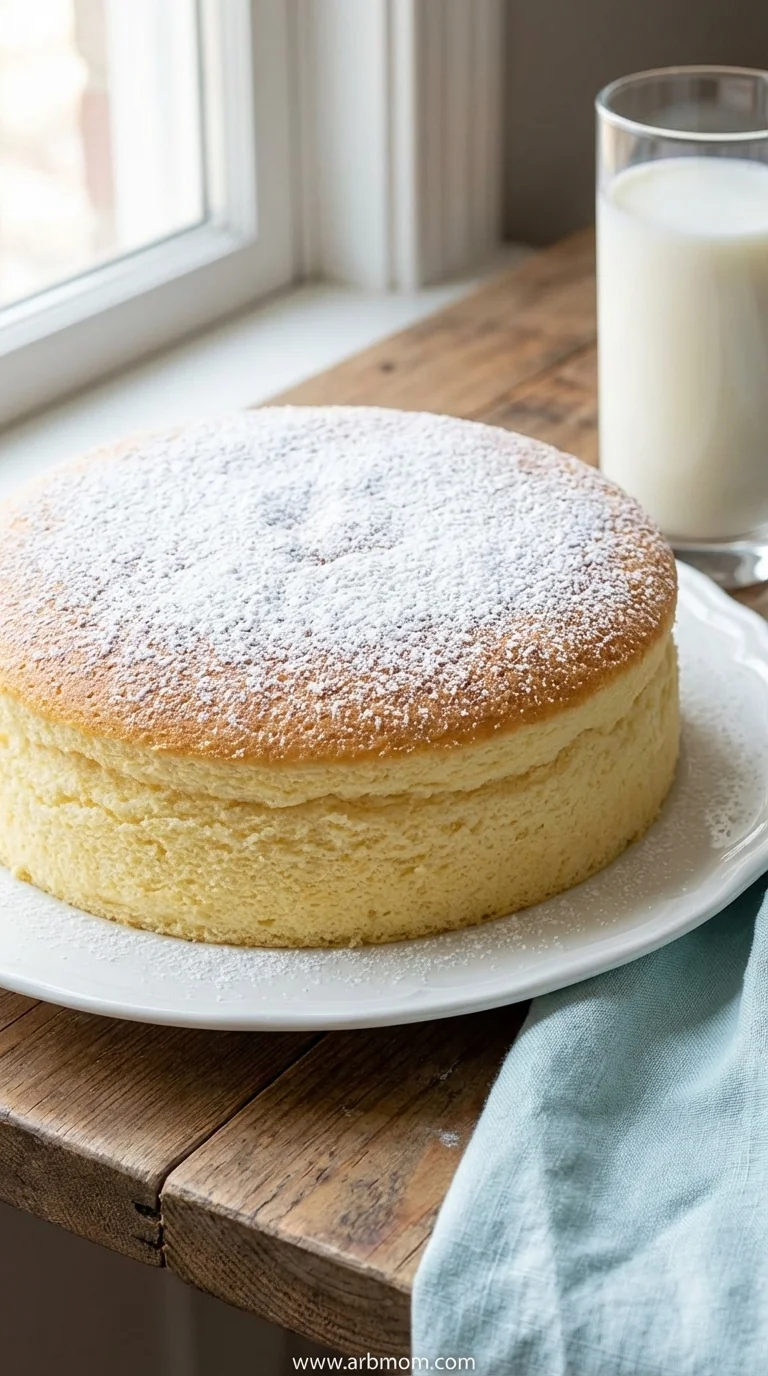
Light and Fluffy Sponge Cake
Enjoy a light and fluffy sponge cake that's easy to make, perfect for any occasion. This airy cake feels like a gentle breeze on the tongue, with a hint of vanilla that lifts the spirit. Honestly, it’s the kind of dessert you can bake on a quiet weekend and share with friends without any fuss.
Timing
Prep Time
15 Minutes
Cook Time
25 Minutes
Total Time
40 Minutes
Recipe Details
Ingredients
Cake Batter
- 01 1 cup (120g) all‑purpose flour
- 02 1 tsp baking powder
- 03 1/4 tsp salt
- 04 4 large eggs, separated
- 05 3/4 cup (150g) granulated sugar
- 06 1/4 cup (55g) unsalted butter, melted and cooled
- 07 1/4 cup (60ml) whole milk, warmed
- 08 1 tsp pure vanilla extract
Instructions
Preheat the oven to 350°F (175°C). Grease a 9‑inch round cake pan and line the bottom with parchment.
In a bowl, sift together flour, baking powder, and salt; set aside.
In a large mixing bowl, whisk egg whites until soft peaks form, then gradually add 1/2 cup sugar, whisking until stiff, glossy peaks appear.
In another bowl, beat egg yolks with the remaining sugar until pale, then stir in melted butter, warm milk, and vanilla.
Gently fold the dry flour mixture into the yolk batter, then carefully fold in the whipped egg whites in three additions, preserving the air.
Pour the batter into the prepared pan, smooth the top, and bake for 20‑25 minutes, or until a baking tester comes out clean.
Turn the cake upside‑down onto a wire rack; let it cool completely before removing the pan.
Serve plain, dusted with powdered sugar, or layer with fresh berries; for inspiration check out the coffee Swiss roll.
Notes & Tips
- 1 Make sure eggs are at room temperature for the best volume.
- 2 Do not overmix once flour is added; it can toughen the cake.
- 3 A light proof of the batter before baking can add extra lift.
Tools You'll Need
-
9‑inch round cake pan
-
Mixing bowls
-
Electric mixer or whisk
-
Rubber spatula
-
Sifter
-
Wire cooling rack
Must-Know Tips
- Don’t overbeat the egg whites; they’ll become grainy.
- Use a light hand when folding to keep air bubbles intact.
- Rotate the pan halfway through baking for even rise.
Professional Secrets
- Room temperature ingredients ensure even mixing.
- Preheat the oven fully for a rapid rise.
- Fold the batter with a gentle turning motion to preserve volume.

Recipe by
EmilyEmily is a passionate food blogger and seasoned recipe creator at Arbmom Recipe, where she brings her culinary expertise and creativity to home cooks ...
Get Delicious Recipes Weekly
Join 25,000+ home cooks getting our best recipes straight to their inbox.
Free forever • No spam • Unsubscribe anytime