Why You'll Love It
- - Simple ingredients, big flavor impact
- - Hands‑off cooking once it’s in the oven
- - Perfect for feeding a crowd
- - Leaves a lasting, comforting scent
*"The lamb was melt‑in‑your‑mouth tender, and the herb crust was absolutely divine!"*
Essential Ingredient Guide
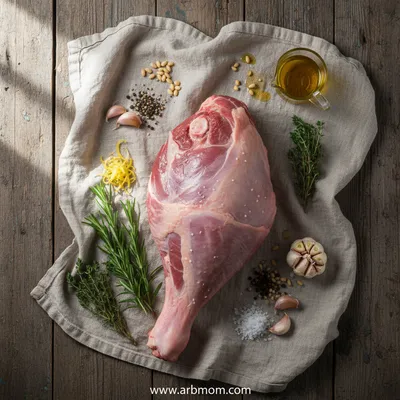
- Leg of lamb: Choose a leg with a good layer of fat; it keeps the meat moist and adds flavor.
- Fresh rosemary: Look for needles that are bright green; they release a piney aroma when heated.
- Garlic cloves: Crush them lightly to release oils, but keep skins on for a mellow sweetness.
- Lemon zest: Adds a subtle brightness that cuts through the richness.
- Olive oil: Use a good extra‑virgin oil to help the herbs cling and promote browning.
- Coarse sea salt: Season generously; it draws out the moisture and enhances the herb crust.
Complete Cooking Process
-
Ingredient Readiness:
Trim excess fat, pat the lamb dry, and let it sit at room temperature for about 30 minutes.
-
Flavor Development:
Massage the herb‑oil mixture into every nook, allowing the aromatics to embed.
-
Texture Control:
Roast at a high initial temperature to form a crust, then lower the heat to finish gently.
-
Finishing Touches:
Let the lamb rest under foil; the residual heat continues to mellow the flavors.
-
Serving Timing:
Slice against the grain just before serving to preserve juiciness.
- Use a meat thermometer; 135°F (57°C) for medium‑rare, 145°F (63°C) for medium.
- Add a splash of white wine to the pan for a quick jus.
- Baste with pan drippings midway for extra silkiness.
Pro Tips
Well, those little adjustments can turn a good roast into an unforgettable one. I mean, the difference you feel when the meat is perfectly rested is almost magical—yeah, it’s that simple yet profound. Take a moment, trust the process, and let the flavors do their quiet work.
The essence of the dish:
A fun fact or historical angle:
Flavor or sensory focus:
You Must Know
- Rest the meat before slicing
- Season generously
- Use a reliable thermometer
Frequently Asked Questions
→ Can I use a shoulder instead of a leg?
Yes, a shoulder works but you’ll need a longer cooking time to break down the connective tissue.
→ Do I need to marinate overnight?
Not necessary; a 30‑minute room‑temperature rest after seasoning is sufficient for flavor.
→ What side dishes pair best?
Roasted root vegetables, herbed quinoa, or a simple green salad complement the lamb nicely.
→ How do I prevent the crust from burning?
Start at high heat for 20 minutes, then lower to 325°F to finish cooking gently.
→ Can I freeze leftovers?
Yes, slice and store in airtight containers; reheat gently in a skillet with a splash of broth.
→ Is this recipe gluten‑free?
Absolutely, as long as you use gluten‑free broth for the jus.
Chef's Tips
If you prefer a deeper flavor, add a splash of red wine to the jus during deglazing.,A quick skim of the fat from the pan before making the jus keeps the sauce from becoming greasy.,Slice against the grain for the most tender bites.
Nutrition Facts
per serving
560
Calories
45g
Protein
4g
Carbs
38g
Fat
Taste Profile
Rich, herbaceous, and gently bright
Ingredient Substitutions
Don't have an ingredient? Try these alternatives
Adjust cooking time; shoulder may need 10‑15 minutes longer.
Higher smoke point; works well for the high‑heat start.
Recipe Variations
Try these delicious twists on the original
Spicy Version
Add 1 tsp crushed red pepper flakes and a dash of smoked paprika to the herb rub.
Mediterranean Style
Include crumbled feta, Kalamata olives, and sun‑dried tomatoes in the serving platter.
Common Mistakes to Avoid
Learn from others' mistakes for perfect results
- Skipping the resting period, leading to dry slices.
- Over‑seasoning with salt before the meat is dry.
- Cooking at too high a temperature for too long, burning the herb crust.
Meal Prep & Storage
Make Ahead Tips
Season the lamb and refrigerate, uncovered, overnight; this deepens the herb flavor and dries the surface for a better crust.
Leftover Ideas
Slice the lamb thinly and toss with mixed greens and a light vinaigrette for a quick salad.
Perfect Pairings
Serve this with...
Cooking Timeline
Bring lamb to room temperature; prep herb rub.
Roast at high heat to develop crust.
Lower oven temperature; continue cooking to target doneness.
Rest the meat under foil.
Prepare pan jus and slice for serving.
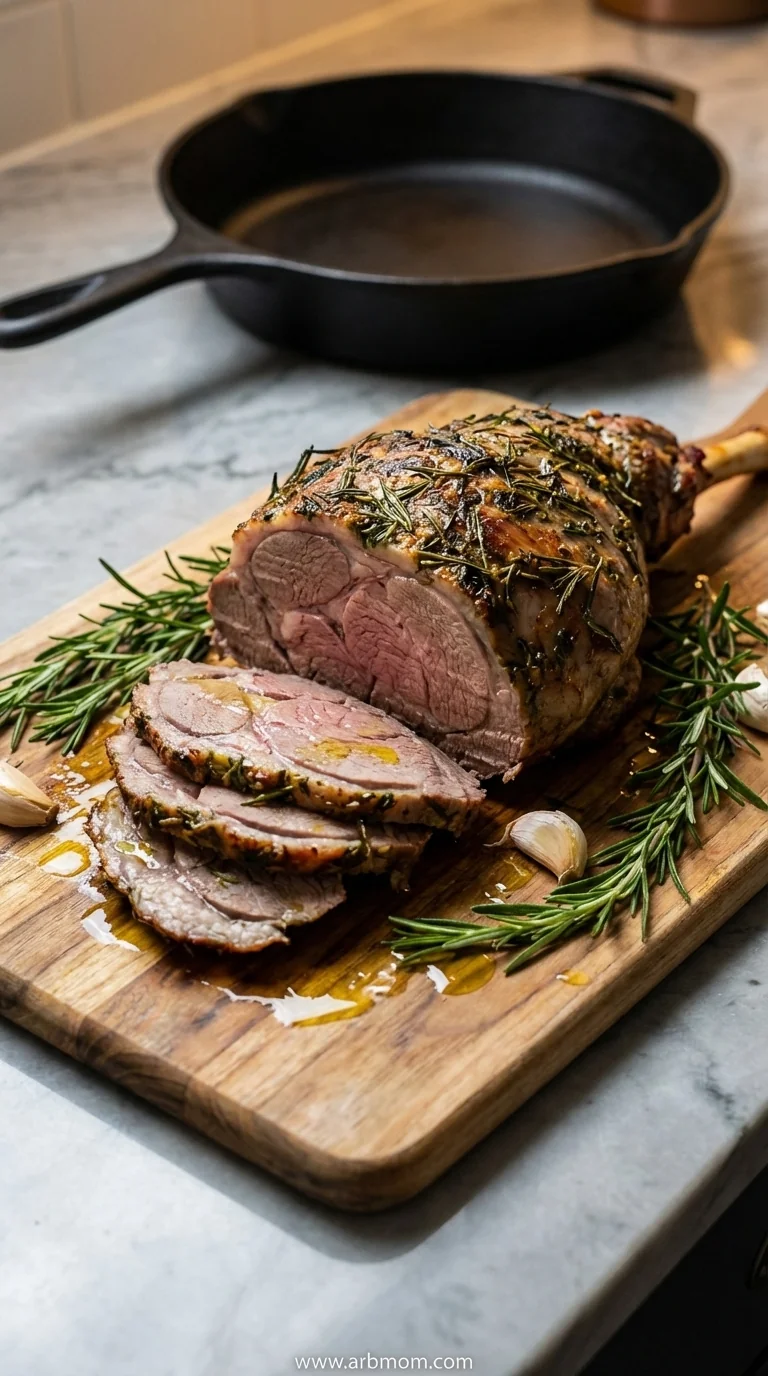
Herb Roast Leg of Lamb
A comforting herb‑infused roast leg of lamb that stays juicy, fragrant, and perfect for gathering around the table. Slow‑roasted with garlic, rosemary, and a splash of lemon, this dish brings warmth and simple elegance to any dinner.
Timing
Prep Time
30 Minutes
Cook Time
2 Hours
Total Time
2 Hours 30 Minutes
Recipe Details
Ingredients
Main Ingredients
- 01 1 (5‑6 lb) leg of lamb, bone‑in
- 02 4 tbsp olive oil
- 03 4 garlic cloves, lightly crushed
- 04 2 tbsp fresh rosemary, chopped
- 05 1 tbsp fresh thyme leaves
- 06 Zest of 1 lemon
- 07 1 tsp coarse sea salt
- 08 ½ tsp freshly ground black pepper
For the Pan Jus
- 01 ½ cup low‑sodium chicken broth
- 02 ¼ cup water
- 03 1 tbsp lemon juice
- 04 A drizzle of extra‑virgin olive oil
Instructions
Remove the lamb from the fridge, pat dry, and let it sit at room temperature for about 30 minutes.
In a bowl, combine olive oil, garlic, rosemary, thyme, lemon zest, salt, and pepper; rub this mixture all over the lamb, pressing into the surface.
Preheat the oven to 475°F (245°C). Place the lamb on a rack in a roasting pan; roast uncovered for 20 minutes to form a crust.
Reduce oven temperature to 325°F (165°C) and continue roasting until an internal thermometer reads 135°F for medium‑rare, about 1½‑2 hours.
Remove the lamb, tent with foil, and rest for 15‑20 minutes while you make the jus.
Deglaze the roasting pan with broth, water, and lemon juice; simmer until slightly thickened, then drizzle over sliced lamb.
Notes & Tips
- 1 If you prefer a deeper flavor, add a splash of red wine to the jus during deglazing.
- 2 A quick skim of the fat from the pan before making the jus keeps the sauce from becoming greasy.
- 3 Slice against the grain for the most tender bites.
Tools You'll Need
-
Roasting pan with rack
-
Meat thermometer
-
Small mixing bowl
-
Sharp kitchen shears
-
Aluminum foil
Must-Know Tips
- Don’t rush the resting stage, it locks in moisture.
- Use a thermometer; visual cues can be misleading.
- Baste occasionally during the low‑heat phase for extra gloss.
Professional Secrets
- Room temperature meat cooks evenly, preventing a raw center.
- High initial heat creates a flavorful Maillard crust.
- Deglazing captures caramelized bits that define the jus.

Recipe by
MeriemMeriem is a passionate food blogger and recipe creator at Arbmom Recipe, where she brings a fresh and flavorful perspective to home cooking. With year ...
Get Delicious Recipes Weekly
Join 25,000+ home cooks getting our best recipes straight to their inbox.
Free forever • No spam • Unsubscribe anytime