Why You'll Love It
- - Unpretentious ingredients that shine
- - Soft, melt‑in‑your‑mouth crumb
- - Subtle vanilla aroma that soothes
- - Easy to slice and serve
*"The butter flavor is so pure, it feels like a warm blanket on a chilly day."*
Essential Ingredient Guide
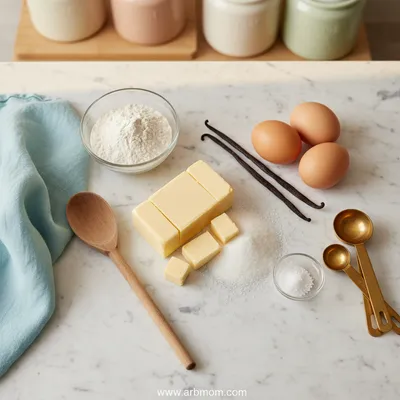
- Unsalted butter: Use high‑quality European butter; its higher butterfat gives the cake its silky texture.
- All‑purpose flour: Sift before adding to avoid lumps and ensure a tender crumb.
- Granulated sugar: Sugar not only sweetens but also helps create a fine, airy structure.
- Eggs: Room‑temperature eggs incorporate more air, lifting the batter.
- Fresh lemon zest: A touch of zest brightens the buttery richness without overpowering.
- Vanilla extract: Pure vanilla adds depth; a little goes a long way.
Complete Cooking Process
-
Ingredient Readiness:
Measure butter, flour, and sugar precisely, and let the eggs sit at room temperature for a uniform batter.
-
Flavor Development:
Cream butter and sugar until pale, then fold in eggs slowly, allowing the mixture to become airy.
-
Texture Control:
Sift flour and gently fold it in, preserving the air you’ve created.
-
Finishing Touches:
Add lemon zest and vanilla, then spread the batter into a greased pan, smoothing the top.
-
Serving Timing:
Allow the cake to cool on a wire rack for 20 minutes; it continues to set, making slicing clean.
- Cream butter and sugar for at least 5 minutes for extra lift
- Do not over‑mix after adding flour; stop once just combined
- Bake on the middle rack for even heat distribution
- Dust with powdered sugar just before serving for a delicate finish
Pro Tips
These tiny adjustments make a big difference. I often find that a short rest for the batter before baking lets the gluten relax, giving the cake that tender crumb I love. Also, a gentle hand when folding keeps the air trapped, resulting in a light texture that feels like a cloud on the palate.
The essence of the dish:
A fun fact or historical angle:
Flavor or sensory focus:
You Must Know
- Use room‑temperature butter for smooth creaming
- Do not over‑bake; the center should still feel slightly springy
- Let the cake rest before frosting to keep it moist
Frequently Asked Questions
→ Can I substitute the butter?
Yes, use a high‑quality cultured butter for a slightly tangy note, but keep the same weight for balance.
→ How do I store leftovers?
Wrap the cake tightly in plastic wrap and keep it at room temperature for up to three days, or refrigerate for a week.
→ What pan size works best?
A 9‑inch round cake pan gives a uniform crumb; a loaf pan works too but adjust baking time slightly.
→ Can I add fruit?
Fold in fresh berries or thinly sliced pears after the flour step for a fragrant variation.
→ Is this recipe gluten‑free?
Swap all‑purpose flour for a 1‑to‑1 gluten‑free blend; the texture remains tender.
→ What pairs well with this cake?
A cup of Earl Grey tea or a glass of lightly chilled dessert wine complements the butteriness beautifully.
Chef's Tips
If you prefer a slightly richer flavor, replace 2 tbsp of butter with melted caramel butter.,For a decorative finish, dust the cooled cake lightly with powdered sugar or a drizzle of melted butter.,The cake holds up well for layering; add a thin raspberry jam between layers for a subtle tang.
Nutrition Facts
per serving
320
Calories
5g
Protein
42g
Carbs
14g
Fat
Taste Profile
Rich buttery sweetness with a hint of citrus
Ingredient Substitutions
Don't have an ingredient? Try these alternatives
Provides a nuttier flavor; may produce a denser crumb.
Adds a caramel note; reduce by 1 tbsp to avoid excess darkness.
Recipe Variations
Try these delicious twists on the original
Spicy Version
Add a pinch of ground ginger and a dash of cayenne for a warm, subtle heat.
Mediterranean Style
Fold in finely chopped rosemary and toasted almonds for an aromatic twist.
Common Mistakes to Avoid
Learn from others' mistakes for perfect results
- Over‑mixing after adding flour, which makes the cake dense.
- Using cold butter, leading to a lumpy batter.
- Opening the oven door too early, causing the cake to sink.
Meal Prep & Storage
Make Ahead Tips
You can cream the butter and sugar a day ahead and refrigerate; bring to room temperature before adding eggs and finishing the batter.
Leftover Ideas
Reheat a slice gently in a skillet over low heat, adding a pat of butter to revive its moisture.
Perfect Pairings
Serve this with...
Cooking Timeline
Preheat oven, prepare pan, and soften butter.
Cream butter and sugar until pale and fluffy.
Incorporate eggs one at a time, then add vanilla and lemon zest.
Fold in sifted flour gently; pour batter into pan.
Bake, then cool in pan before transferring to rack.
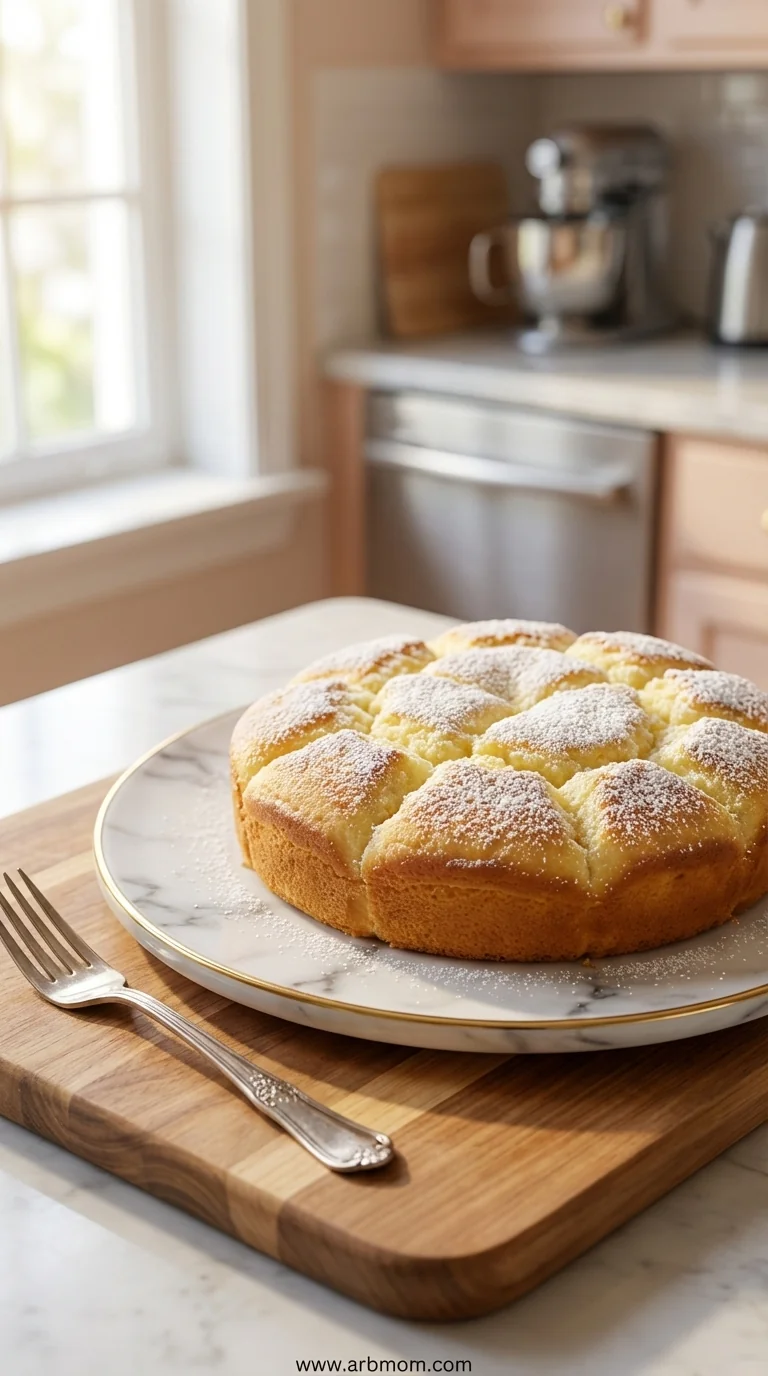
French Butter Cake
A buttery, tender French Butter Cake that fills the kitchen with a gentle vanilla scent and a soft, golden crumb. Perfect for a quiet afternoon tea or a celebratory gathering, this cake feels like a small, sweet hug.
Timing
Prep Time
20 Minutes
Cook Time
30 Minutes
Total Time
50 Minutes
Recipe Details
Ingredients
Cake Batter
- 01 1 cup (227g) unsalted European butter, softened
- 02 1 cup (200g) granulated sugar
- 03 4 large eggs, room temperature
- 04 1 ½ cups (190g) all‑purpose flour, sifted
- 05 2 tsp vanilla extract
- 06 1 tsp finely grated lemon zest
Instructions
Preheat the oven to 350°F (175°C). Grease a 9‑inch round cake pan and line the bottom with parchment.
In a large bowl, cream the butter and sugar together for about 5 minutes until the mixture is pale and fluffy.
Add the eggs one at a time, beating gently after each addition to keep the batter airy.
Stir in the vanilla and lemon zest, then gently fold in the sifted flour until just combined; avoid over‑mixing.
Pour the batter into the prepared pan, smooth the top, and bake for 30‑35 minutes, or until a toothpick comes out clean with a few crumbs.
Allow the cake to cool in the pan for 15 minutes, then turn onto a wire rack to finish cooling.
Notes & Tips
- 1 If you prefer a slightly richer flavor, replace 2 tbsp of butter with melted caramel butter.
- 2 For a decorative finish, dust the cooled cake lightly with powdered sugar or a drizzle of melted butter.
- 3 The cake holds up well for layering; add a thin raspberry jam between layers for a subtle tang.
Tools You'll Need
-
9‑inch round cake pan
-
Electric mixer
-
Rubber spatula
-
Sifter
-
Wire cooling rack
Must-Know Tips
- Don't over‑mix after adding flour – it keeps the crumb tender.
- Let the butter soften at room temperature; this ensures a smooth cream.
- Taste the batter before baking; adjust lemon zest if you like more brightness.
Professional Secrets
- Cream butter and sugar until the mixture holds a ribbon when lifted.
- Use a kitchen scale for precise butter and flour ratios.
- Bake on the middle rack to avoid top over‑browning.
Recipe by
EmilyEmily is a passionate food blogger and seasoned recipe creator at Arbmom Recipe, where she brings her culinary expertise and creativity to home cooks ...
Get Delicious Recipes Weekly
Join 25,000+ home cooks getting our best recipes straight to their inbox.
Free forever • No spam • Unsubscribe anytime