Why You'll Love It
- - One‑pot simplicity, no fancy equipment needed
- - Adjustable sweetness to fit any palate
- - Stores well, ready for a quick drizzle anytime
- - Enhances both savory and sweet dishes
*"The glaze added the perfect glaze to my roasted veggies – simple, elegant, and unforgettable."*
Essential Ingredient Guide
- Balsamic vinegar: Choose a good-quality aged vinegar for depth; it provides the tangy backbone of the glaze.
- Granulated sugar: Regular sugar caramelizes nicely; you can substitute brown sugar for a richer note.
- Optional pinch of sea salt: A tiny dash balances the sweetness and brightens the flavor.
- Freshly cracked black pepper: Adds a subtle hint of heat when you want a more complex finish.
- Lemon zest (optional): A touch of citrus lifts the glaze, perfect for summer salads.
- Honey (optional): For a deeper golden hue, replace part of the sugar with honey.
Complete Cooking Process
-
Ingredient Readiness:
Measure the vinegar and sugar, and have a whisk ready; the glaze comes together quickly once heat is applied.
-
Flavor Development:
Simmer the mixture gently; the sugar dissolves and the vinegar reduces, concentrating aromatics.
-
Texture Control:
Watch for a glossy, slightly thickened consistency – it should coat the back of a spoon.
-
Finishing Touches:
Add a pinch of salt or a zest of lemon, then remove from heat to keep it glossy.
-
Serving Timing:
Drizzle while warm over hot dishes or let it cool to a syrupy pour for salads and fruit.
- Use a heavy-bottomed pan to prevent scorching.
- Stir constantly during the first few minutes to avoid grainy texture.
- If the glaze thickens too much, whisk in a splash of warm water.
- Store in a sealed jar; it will keep for up to two weeks.
Pro Tips
I often find myself reaching for the jar on a quiet evening, letting the gentle scent of reduced vinegar fill the kitchen as I drizzle over a slice of fresh cheese. It’s a small ritual that reminds me of the care that goes into every simple sauce, and the way a modest glaze can turn an everyday moment into something a bit more special.
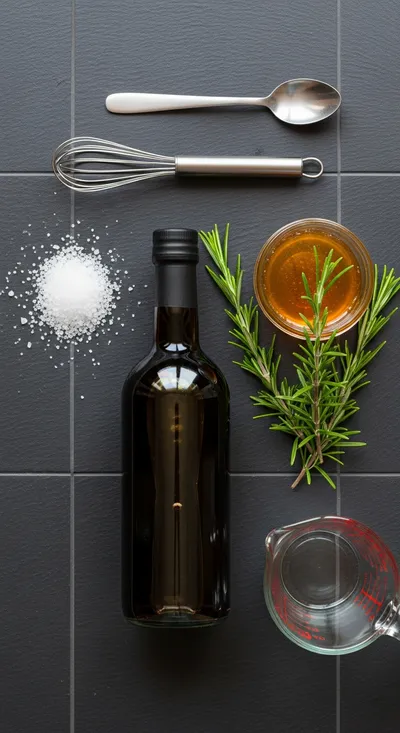
The essence of the dish:
A fun fact or historical angle:
Flavor or sensory focus:
You Must Know
- Keep the heat low to avoid bitterness
- Stir constantly for a smooth texture
- Adjust sweetness to taste before finishing
Frequently Asked Questions
→ Can I use brown sugar instead of white sugar?
Yes, brown sugar adds a deeper molasses note; just keep an eye on the color as it may darken the glaze.
→ How long does the glaze keep?
Store it in an airtight jar in the refrigerator for up to two weeks; warm gently before using.
→ Is it possible to make a low‑sodium version?
Simply omit the pinch of sea salt; the natural acidity of the balsamic provides enough flavor.
→ Can I add herbs to the glaze?
Fresh herbs like rosemary or thyme can be added during the simmer for an aromatic twist – strain before storing.
→ What dishes pair best with this glaze?
It shines on roasted vegetables, grilled chicken, pork tenderloin, or even drizzled over fresh strawberries.
→ How do I fix a glaze that’s too thick?
Stir in a teaspoon of warm water or extra balsamic vinegar until the desired consistency returns.
Chef's Tips
If the glaze hardens after refrigeration, gently re‑warm it in a microwave or stovetop with a splash of water.,Taste before adding extra salt; the balsamic already carries natural acidity.,For a richer flavor, let the glaze sit for a few minutes after simmering before using.
Nutrition Facts
per serving
120
Calories
0g
Protein
30g
Carbs
0g
Fat
Taste Profile
A bright, sweet‑tangy glaze that adds depth without overpowering.
Ingredient Substitutions
Don't have an ingredient? Try these alternatives
Will be less sweet; increase sugar slightly.
Adds a gentle caramel note; use 2/3 the amount.
Recipe Variations
Try these delicious twists on the original
Spicy Version
Add a pinch of red pepper flakes during simmer for a subtle heat.
Mediterranean Style
Stir in chopped olives and sun‑dried tomatoes after removing from heat.
Common Mistakes to Avoid
Learn from others' mistakes for perfect results
- Boiling too vigorously – leads to bitterness.
- Not stirring early – can cause grainy texture.
- Leaving glaze to cool too long before use – it hardens.
Meal Prep & Storage
Make Ahead Tips
The glaze can be prepared up to two days ahead; store in a sealed jar and re‑heat gently before using.
Leftover Ideas
Re‑heat in a small pan with a splash of water to return to a pourable consistency.
Perfect Pairings
Serve this with...
Cooking Timeline
Combine vinegar and sugar in saucepan; stir to moisten.
Simmer gently, stirring frequently until reduced by half.
Add salt, pepper, and zest; remove from heat.
Cool slightly, then pour into storage jar.
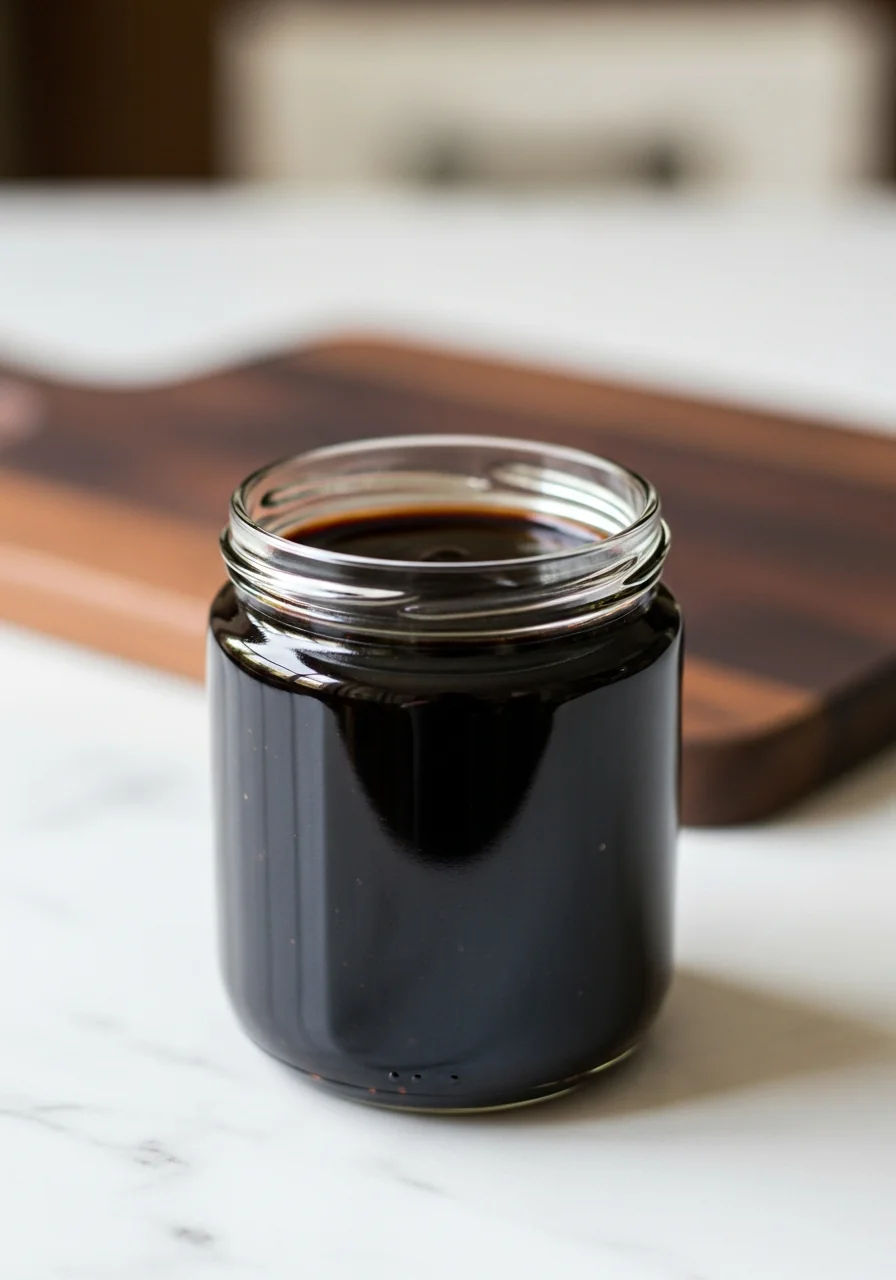
Balsamic Glaze – Sweet & Tangy Easy Sauce
A quick, sweet‑tangy sauce that transforms simple veggies, grilled meats, or even fresh fruit with a glossy, mouth‑watering finish.
Timing
Prep Time
5 Minutes
Cook Time
10 Minutes
Total Time
15 Minutes
Recipe Details
Ingredients
Main Ingredients
- 01 1 cup balsamic vinegar
- 02 1/2 cup granulated sugar
- 03 Pinch of sea salt
- 04 Freshly cracked black pepper, optional
- 05 Zest of 1 lemon, optional
Instructions
In a small saucepan, combine the balsamic vinegar and sugar; stir until the sugar begins to dissolve.
Place over medium‑low heat, bring to a gentle simmer, and keep stirring to avoid settling. balsamic glaze starts to thicken after a few minutes.
Allow the mixture to reduce by about half, about 8‑10 minutes, until it coats the back of a spoon with a glossy sheen.
Remove from heat, stir in a pinch of salt, a dash of pepper, and lemon zest if using; let cool slightly before drizzling.
Store any leftovers in a clean jar; it will stay silky for up to two weeks.
Notes & Tips
- 1 If the glaze hardens after refrigeration, gently re‑warm it in a microwave or stovetop with a splash of water.
- 2 Taste before adding extra salt; the balsamic already carries natural acidity.
- 3 For a richer flavor, let the glaze sit for a few minutes after simmering before using.
Tools You'll Need
-
Small saucepan
-
Whisk
-
Measuring cups
-
Wooden spoon
-
Glass storage jar
Must-Know Tips
- Don't let the mixture boil aggressively – it can turn bitter.
- Let the glaze cool slightly before using; it thickens quickly.
- Taste as you go – a touch more sugar can balance extra acidity.
Professional Secrets
- Use a heavy‑bottomed pan for even heat distribution.
- Stir constantly at the start to dissolve sugar fully.
- Finish with a splash of cold water if the glaze becomes too thick.

Recipe by
DanielDaniel is a passionate food blogger and recipe creator at Arbmom Recipe, where he brings his culinary expertise and love for home cooking to a vibrant ...
Get Delicious Recipes Weekly
Join 25,000+ home cooks getting our best recipes straight to their inbox.
Free forever • No spam • Unsubscribe anytime